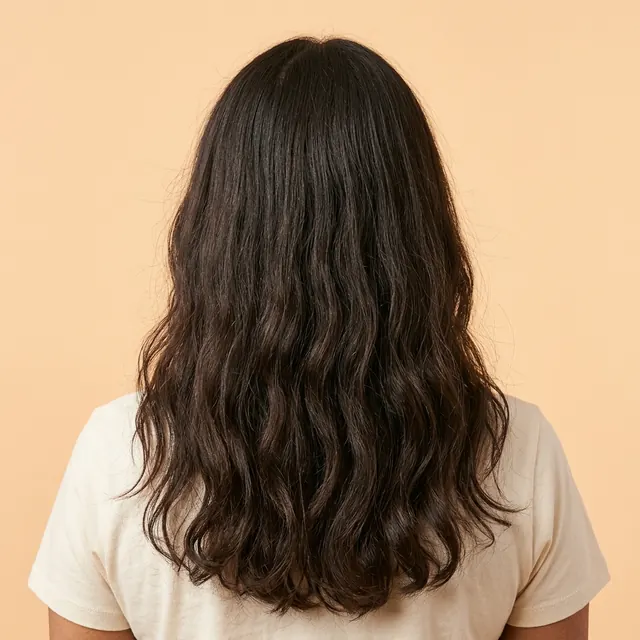
2A, loose waves
A soft, stretched S that lies close to the head and starts low on the strand. Usually fine. It flattens under heavy creams and oils.
Tends to want: Light leave-ins, a foam or light gel, little or no oil.

It is knowing what your hair is asking for. Read your curl pattern and porosity here, then meet a short range of curly hair products built around a shorter wash day. The shop is not open yet.
A curl chart tells you the shape of your hair. It does not tell you whether a cream will sink in or sit on top. That is porosity, and it decides more.
Looser at the crown, tighter at the nape. Most curly heads carry two or three patterns, so a routine has to work across all of them.
Most frizz is thirst. Water, a leave-in on soaking hair, and one styler do more than a seven-step shelf.
Look at a clean strand with no product in it as it dries. Pick the shape closest to it. The copper line shows how long the curl looks at rest. The dashed line shows its length stretched straight.
Choose a curl type
A soft, stretched S that lies close to the head and starts low on the strand. Usually fine. It flattens under heavy creams and oils.
Tends to want: Light leave-ins, a foam or light gel, little or no oil.
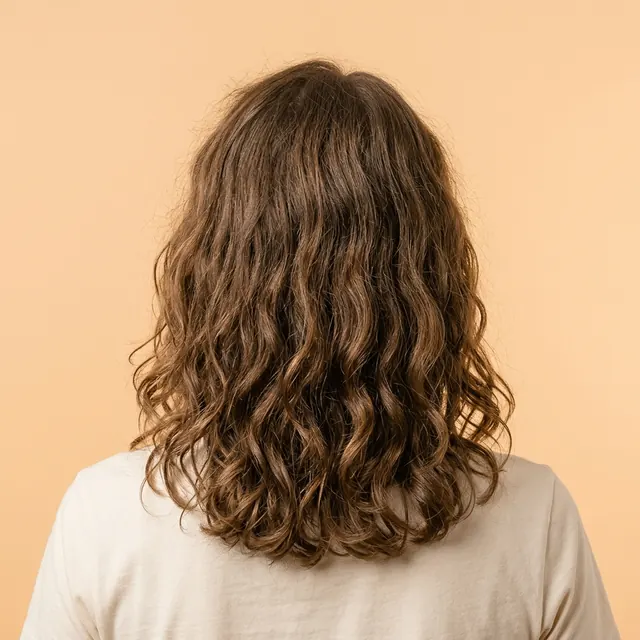
A clearer S from mid-length down, flatter at the root. Frizz shows up at the crown first, especially in humid weather.
Tends to want: A lightweight leave-in, gel for hold, scrunching instead of brushing dry.
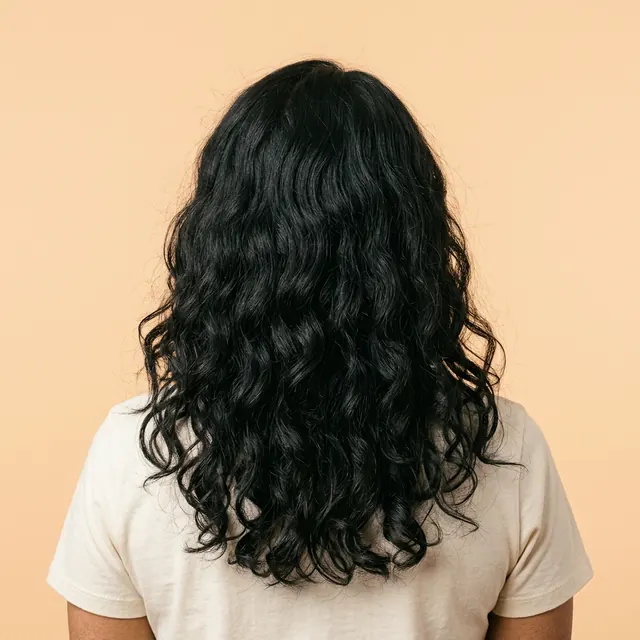
Thick S-waves that start near the root, with a few loose ringlets mixed in. Often coarser, and the most frizz-prone of the waves.
Tends to want: A leave-in on soaking hair, a firm gel, hands off while it dries.
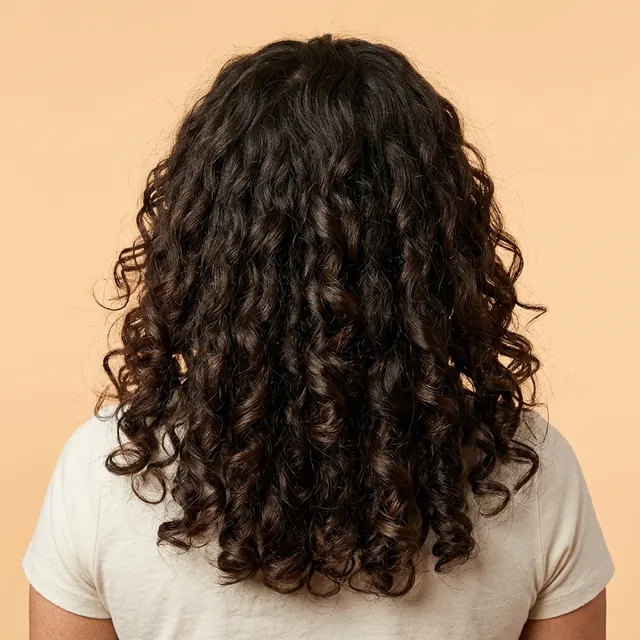
Big, shiny loops, roughly the width of a stick of sidewalk chalk. Defined, but easily pulled straight by weight or rough towelling.
Tends to want: Slip to detangle, a curl cream or light gel, a cotton T-shirt instead of a towel.
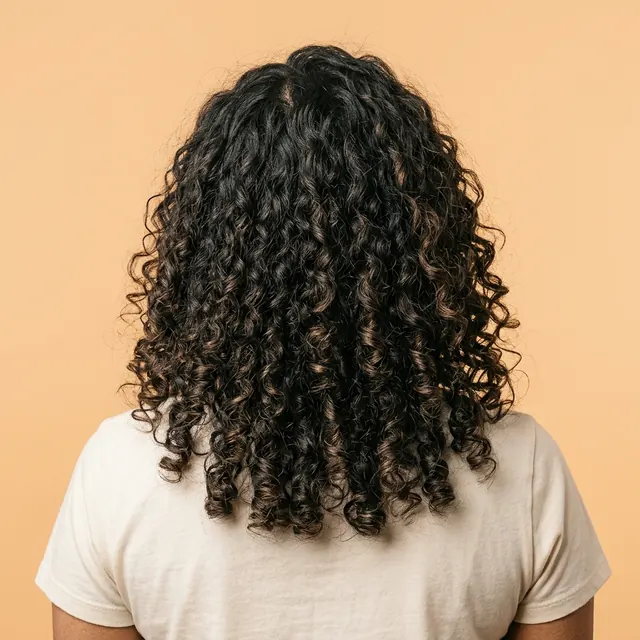
Ringlets about the width of a marker, with plenty of volume. Dries out faster than looser curls because scalp oil travels down the bends slowly.
Tends to want: A richer leave-in, a cream or gel, a little oil on dry ends between washes.
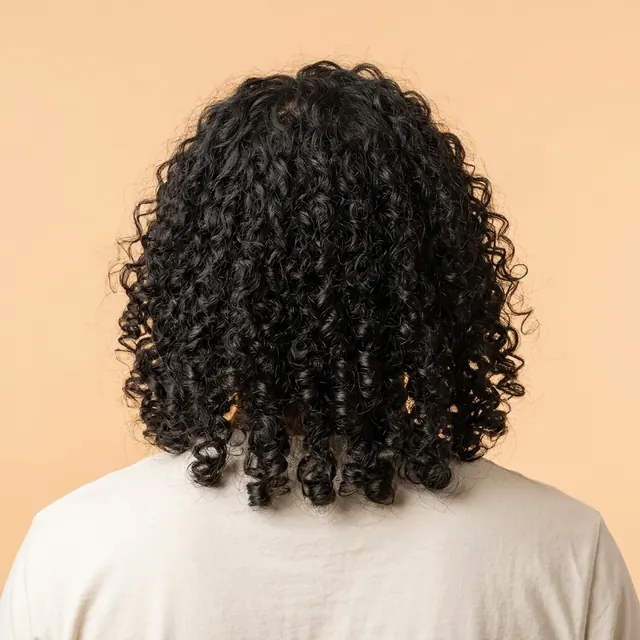
Dense corkscrews, about the width of a pencil or a straw. Shrinkage becomes obvious here: shoulder-length hair can look chin-length.
Tends to want: Plenty of water, a moisturizing leave-in, a cream layered under gel for hold.
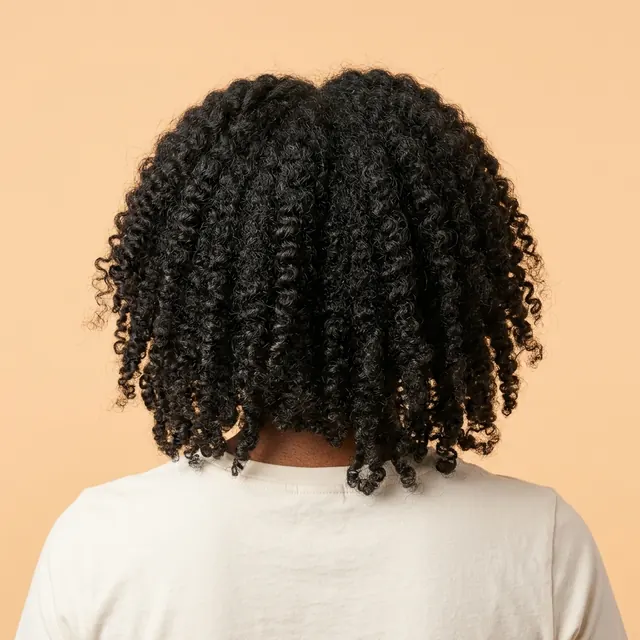
Tight S-shaped coils, about the width of a crochet needle. Defined when wet. Fragile and quick to lose moisture.
Tends to want: Rich conditioner, a leave-in plus cream, sealing ends with oil or butter.
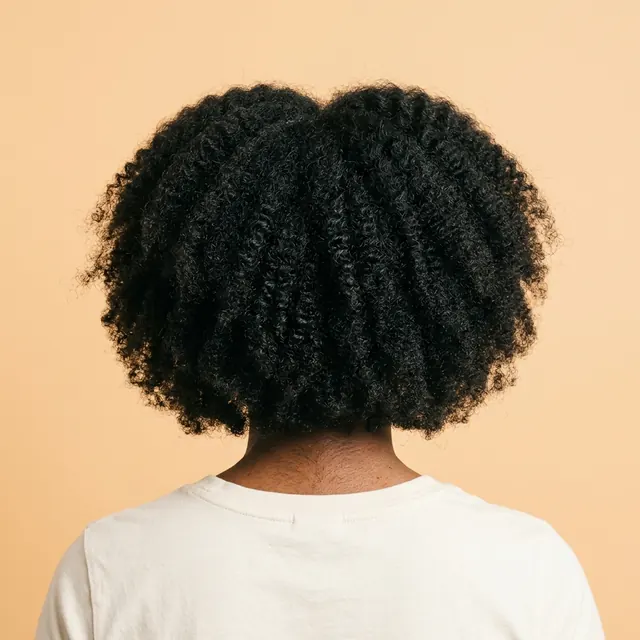
Hair bends in sharp angles instead of round coils. Less visible definition, lots of volume, and real shrinkage.
Tends to want: Detangling on soaking wet hair with conditioner in, twists or coils to define, a sealing butter.
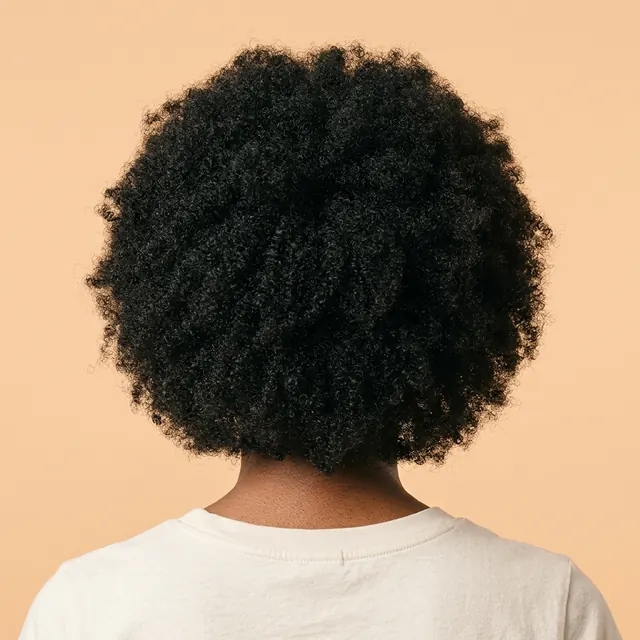
The tightest pattern, with little visible curl unless styled. Coily hair can shrink to a quarter of its stretched length. It is the most fragile when dry.
Tends to want: Gentle handling, heavy moisture, low manipulation styles, and fewer washes.
The drawing and photos are illustrative. Shrinkage changes with humidity, product, and the day. A curl type describes shape. It does not tell you what your hair needs. Porosity does more of that.
Porosity is how easily water gets into a strand and how long it stays. The cuticle, the outer layer of overlapping scales, either lies flat or lifts. That decides whether a product sinks in or sits on top, more than your curl type does.
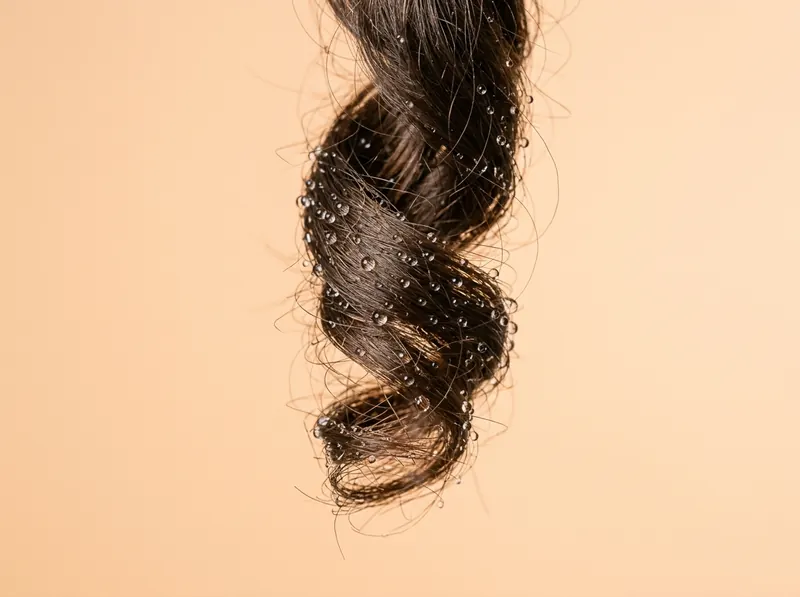
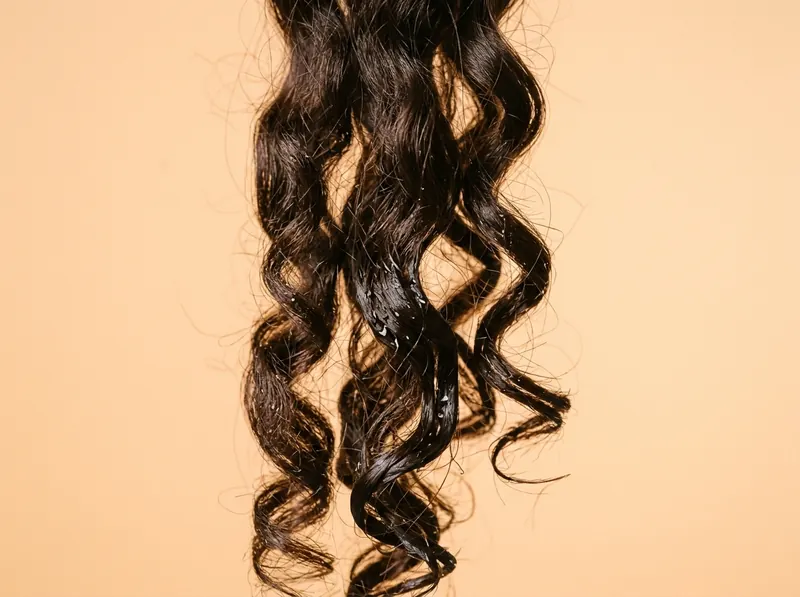
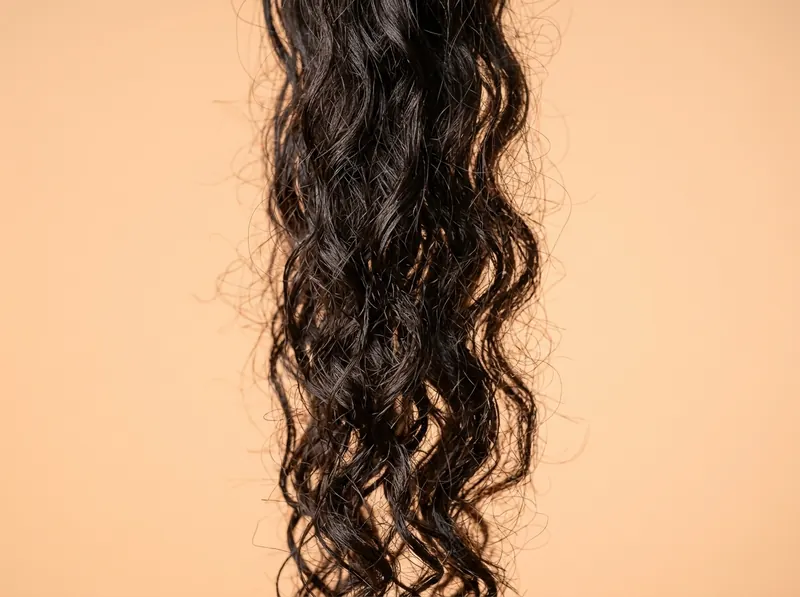
| Sign | Low porosity | Medium porosity | High porosity |
|---|---|---|---|
| In the shower | Water beads up. Takes a while to get fully wet. | Wets through in a minute or so. | Soaks instantly, like a sponge. |
| Drying | Takes hours, sometimes most of the day. | A few hours, and holds its shape. | Fast, then feels dry again by day two. |
| With product | Creams sit on top. Build-up comes quickly. | Most things work. The forgiving one. | Drinks product, still frizzes. |
| Tends to want | Lighter, water-based products. Warmth while conditioning. A clarifying wash now and then. | A steady routine. Don't fix what works. | Richer creams, some protein, and sealing ends with oil. Less heat and bleach. |
The float test drops a strand in water and reads porosity from whether it sinks. Oil, leftover product, and trapped air change the result as much as the cuticle does. The signs in the table are slower to check, but you see them every wash day.
Every bend in a curl is a place where the cuticle lifts a little and where scalp oil struggles to travel. So curly hair is drier at the ends than straight hair. In humid air, a thirsty strand pulls water in unevenly, swells, and breaks away from its clump. That is frizz.
Frizz is usually a sign of thirst, friction, or a cast broken too early. More product rarely fixes it. Wetter hair and less touching usually do.
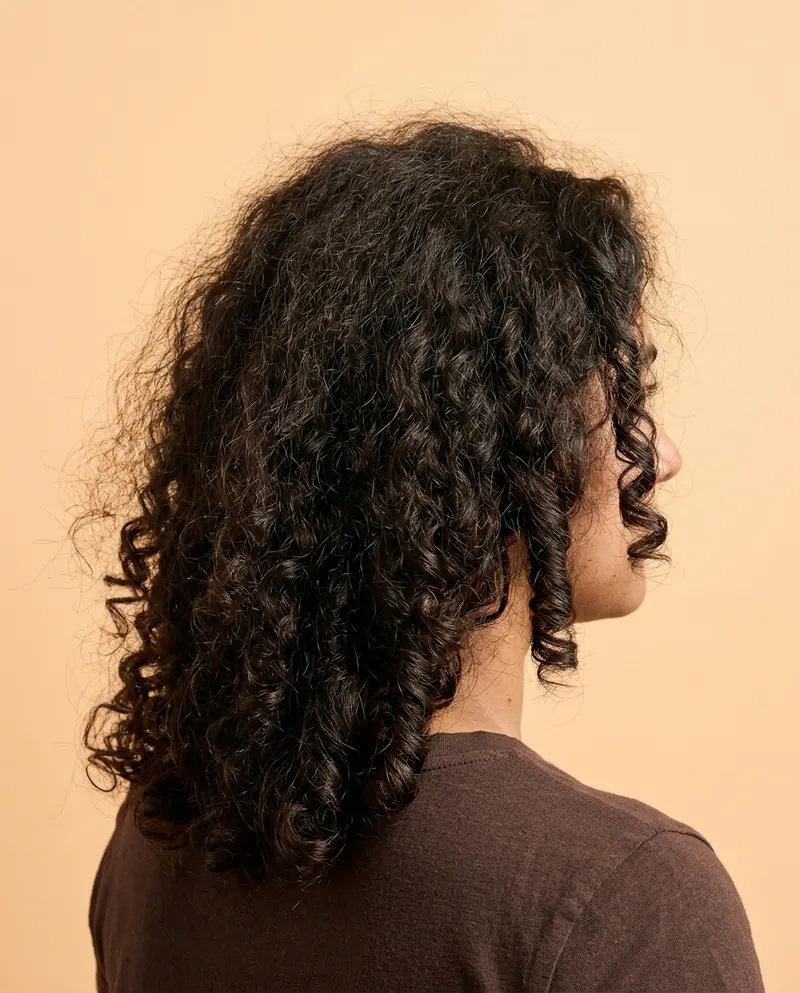
These are the first formulas in the range. They are still being made, so the names are plain and there are no prices. Pick the curl cream or the gel. You do not need both.
A wash without sulfates, for the days your scalp actually needs one. Clean hair does not need to squeak.
Enough slip to detangle with your fingers while the hair is soaking, without pulling the curl apart.
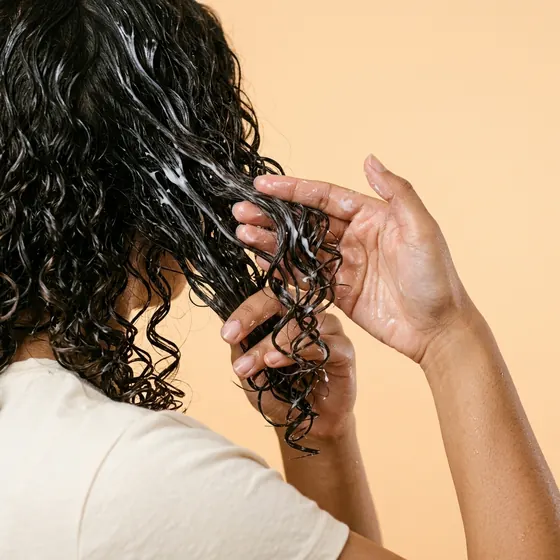
Water-based moisture, raked through dripping wet hair. This is the step most curly hair is thirsty for.
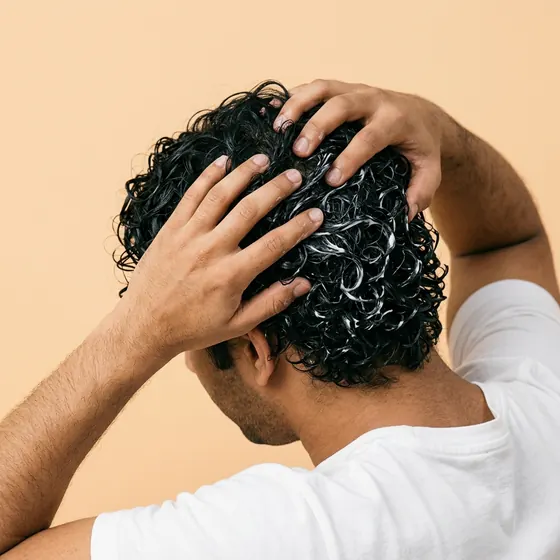
Cream when you want softness. Gel when you want the curl to last until the next wash. Low porosity hair usually prefers the gel.
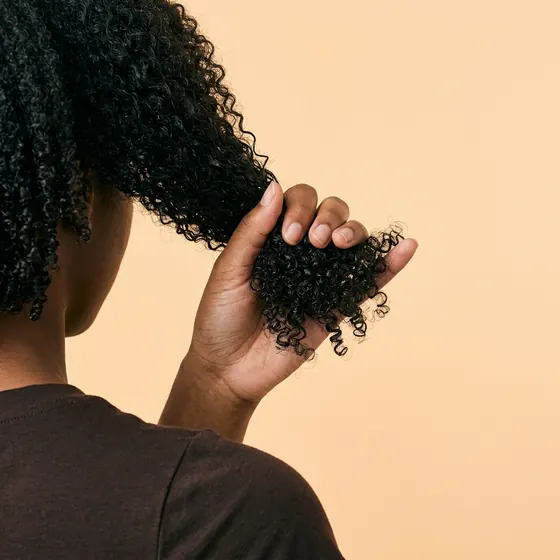
A few drops on dry ends on the second or third day. Not a palmful on the scalp.
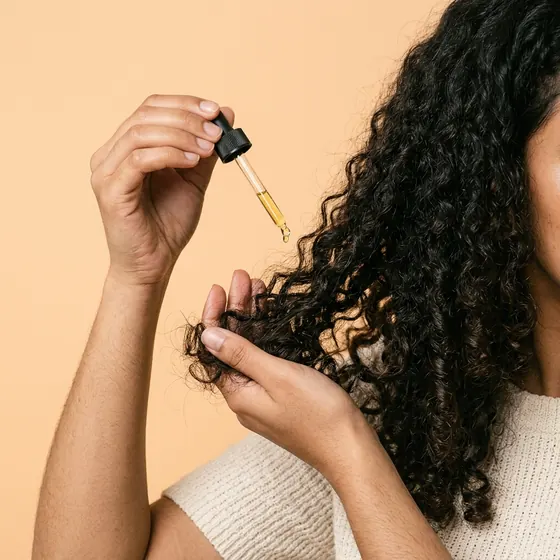
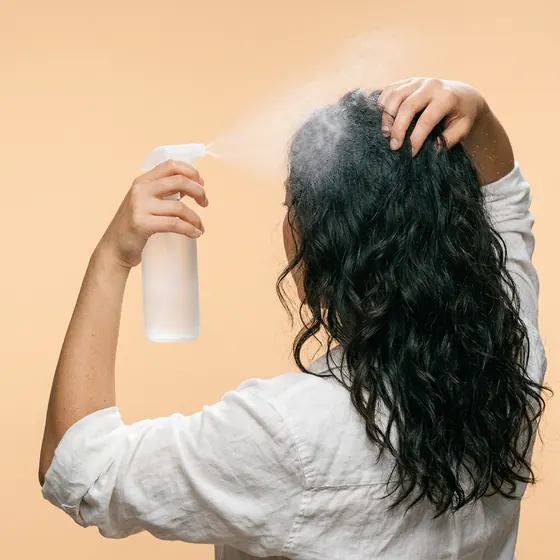
Between washes: a mist of water, scrunch, and a drop of oil on the ends. No product for Tuesday.
One email when the first formulas are ready, with full ingredient lists. Tell us your hair and we will say which ones suit it.